Tree pruning in Shadwell
If you are looking for tree pruning in Shadwell, you are probably dealing with one of a few familiar situations: a tree that has grown too close to a roof or wall, branches that are blocking light into a garden or flat, limbs that are rubbing together after a windy season, or a commercial site where trees need to stay neat, safe, and manageable. In a busy part of East London like Shadwell, trees often grow in tight spaces between terraces, flats, courtyards, roads, communal gardens, and business premises. That makes pruning less about simply cutting back branches and more about careful, informed tree care that respects the tree, the property, and the people who use the space every day.
A well-pruned tree can improve light, create a cleaner appearance, reduce the risk of weak or overloaded branches, and help a tree develop a stronger structure over time. The right work depends on the tree species, its age, its location, and what you want it to do for your property. Some trees need light maintenance every year or two. Others may need a more considered approach after years of unchecked growth. In Shadwell, where access can be tight and parking can be limited, working with a local team can make the whole process smoother from the first visit through to the tidy finish.
This page is for homeowners, landlords, letting agents, housing associations, business owners, and site managers who want practical help with pruning trees safely and sensibly. Whether you need crown thinning, deadwood removal, crown lifting, formative pruning, or a reduction to keep a tree in scale with its surroundings, the aim is the same: to leave the tree healthier, more balanced, and better suited to its setting. Request a free quote if you are ready to discuss your tree and what it needs.
Why tree pruning matters in Shadwell

Shadwell is a neighbourhood where trees often sit close to homes, boundary lines, service routes, pavement edges, and shared outdoor spaces. That means pruning is not only about appearance; it is also about keeping trees compatible with the place they grow. On narrow streets and around older properties, a branch that reaches too far can affect windows, gutters, satellite lines, fencing, or access routes. For commercial premises, overhanging growth can obscure signs, interfere with lighting, or create an untidy first impression for customers and visitors.
Tree pruning also helps prevent avoidable problems. Branches that are left to cross, crowd, or become heavy with their own weight can be more vulnerable in high winds. Dead or damaged wood may drop unexpectedly. Dense crowns can trap moisture and prevent air movement, which is not ideal for the tree or the space beneath it. A sensible pruning plan can reduce these concerns while keeping the natural shape of the tree as intact as possible.
There is another important benefit: better light. Many Shadwell customers want more daylight in gardens, ground-floor rooms, courtyards, and communal areas. Careful pruning can open up the canopy without stripping the tree bare. That makes a difference in townhouses, flats with private outdoor space, and shared developments where every bit of usable light matters. If you want to make a tree more manageable without removing it, pruning is often the best starting point.
Our tree pruning services

Different trees and different settings call for different approaches. A good pruning service should never be one-size-fits-all. The aim is to understand the tree first, then carry out the right method with the right cuts at the right time. In Shadwell, where trees may be growing in front gardens, rear courtyards, shared access ways, commercial yards, or roadside planters, a tailored plan matters.
Common pruning services include:
- Crown thinning to reduce density and allow more light and air through the canopy.
- Crown lifting to raise lower branches and improve access, clearance, and visibility.
- Crown reduction to reduce height or spread while maintaining a balanced shape.
- Deadwood removal to take out dead, broken, or unsafe branches.
- Formative pruning for younger trees to encourage good structure early on.
- Selective pruning to manage awkward growth near buildings, fences, and pathways.
Sometimes customers ask for a tree to be “cut back,” but what they really need is a specific pruning method that supports the tree over time. For example, a dense sycamore in a rear garden may benefit from crown thinning, while a tree close to a driveway may need crown lifting to keep access clear. A fruit tree in a small plot may need seasonal pruning to maintain shape and improve future growth. The right approach is always about the tree, the site, and the outcome you want.
What to expect from a professional pruning visit

A professional service should start with a practical assessment of the tree and the site. That includes checking how the tree is growing, looking for damaged branches, considering any signs of disease or stress, and identifying where the work needs to be carried out. In a place like Shadwell, the team also needs to think about access, nearby vehicles, pedestrian routes, neighbouring properties, and any tight corners or internal courtyards that affect how equipment can be brought in and removed.
The pruning itself should be done with care and precision. Clean cuts matter. Poor cuts can leave the tree more vulnerable to decay or awkward regrowth. A thoughtful arboricultural approach tries to maintain a natural shape while improving safety and function. For many trees, that means removing only what is necessary and avoiding unnecessary stress. Good practice also includes clearing away cut material, leaving the space tidy, and making sure you are not left with a branch pile to deal with after the team leaves.
Customers often appreciate a service that explains what is being done and why. That may include showing which branches are dead, which are crossing, and where growth is affecting structure or clearance. It helps you make informed decisions, especially if you are managing a rented property, a shared garden, or a business site where different people may have different priorities. Book your service now if you want a local team to assess the tree and talk through the best pruning option.
Why local knowledge matters in Shadwell
Local knowledge makes a real difference with tree pruning in Shadwell. This area has a mix of residential streets, apartment buildings, older terraces, riverside developments, managed estates, and commercial properties. Trees in these settings are often exposed to specific pressures: limited root space, strong urban winds, restricted access, and competing demands from neighbours, tenants, and visitors. A local tree team understands these challenges and can plan work that fits the realities of the neighbourhood.
Access and parking are common concerns. Some properties are difficult to reach with larger vehicles, and some streets have limited waiting space for loading and unloading. A local company is more likely to factor that into the visit, helping reduce delays and making the job feel more straightforward. If a tree is in a shared rear garden, a narrow passage, or a communal area, the team should also be prepared to work neatly and respectfully around the property. That is especially important when pruning near flats or multi-occupancy buildings where disruption needs to be kept low.
Shadwell also borders areas such as Wapping, Whitechapel, Limehouse, and Stepney, so many jobs involve properties that share similar tree care needs. Whether the tree stands in a private garden, a block courtyard, a retail frontage, or a managed site, the most useful help is a service that can adapt to the location rather than forcing the same routine every time. That flexibility is one of the main reasons customers choose a local tree pruning service instead of someone unfamiliar with the area.
Signs your tree may need pruning
It is not always easy to know when pruning is needed, especially if the tree has simply been growing for years without much attention. Some signs are obvious, while others become clear only once the canopy starts affecting the property or the tree’s own balance. If you notice any of the following, it may be time to arrange an inspection:
- Branches touching the house, roof, windows, or neighbouring structures.
- Overgrown limbs reducing light in a garden, patio, or room.
- Dead, broken, or hanging branches in the canopy.
- Branches crossing and rubbing against one another.
- A tree becoming too wide for its space.
- Poor shape, uneven growth, or heavy growth on one side.
- Low branches obstructing walkways, entrances, or parking spaces.
- General neglect after several seasons without maintenance.
If your tree has grown quickly after a mild spring or wet summer, you may find that what looked fine last year now feels unmanageable. That is common in urban gardens and communal planting schemes. In many cases, timely pruning prevents more severe work later. For example, addressing awkward growth early can reduce the need for heavier cutting in future.
There are also practical reasons to act promptly. Overhanging branches may interfere with neighbours’ enjoyment of their property, block CCTV sightlines, or create avoidable concerns during windy weather. If you manage a site, keeping trees in good condition can support safety, presentation, and day-to-day use of the space. Contact us today if you want an assessment and a clear recommendation.
How tree pruning is carried out
A step-by-step approach
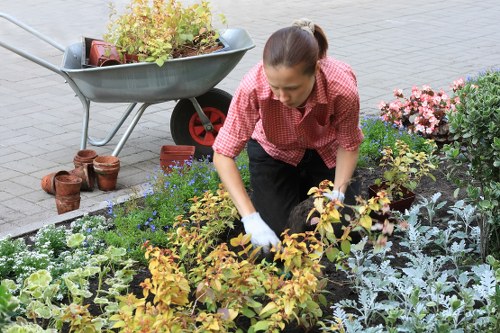
While every site is different, a well-run pruning job usually follows a clear process. This helps the work stay efficient, safe, and suitable for the tree’s condition. It also gives customers peace of mind because they know what will happen and in what order.
- Initial assessment – The tree is inspected to understand its structure, condition, size, species, and location.
- Pruning plan – The team decides which branches should be removed, reduced, or retained.
- Access setup – Equipment is positioned carefully, taking account of pathways, vehicles, neighbours, and restrictions.
- Work carried out – Branches are removed using appropriate techniques to protect the tree and surrounding property.
- Waste removal – Cuttings are collected and removed from the site unless otherwise agreed.
- Final check – The canopy and site are checked to ensure the work is neat and complete.
For larger trees or more complex locations, the work may involve climbing, rope systems, or other controlled methods to reach branches safely. In tighter urban spaces, careful section-by-section removal can be more suitable than trying to tackle everything from one position. What matters most is that the work is controlled and appropriate to the setting.
Tree pruning should never be rushed. A careful finish leaves the tree looking natural rather than harshly cut. It also helps avoid unnecessary stress to the tree, which is particularly important in an urban environment where roots, soil space, and surrounding conditions may already be limited. Good pruning is as much about restraint as it is about removal.
What is included in a pruning service?

Customers often want to know exactly what they are paying for before arranging work. A clear service should explain what is included so there are no surprises. While every job is different, a typical pruning visit may include:
- A site assessment and discussion of what you want to achieve.
- Advice on the most suitable pruning method for the tree.
- Safe pruning work carried out by a trained team.
- Removal of dead, damaged, crowded, or overextended branches where appropriate.
- Basic clean-up of debris created during the job.
- Removal of cuttings from the site if agreed in advance.
Depending on the property, the service may also include practical measures to protect surrounding areas, such as working carefully around paving, planting beds, fences, sheds, outdoor seating, or parked vehicles. If the tree is in a shared location, communication with neighbours or site managers may be useful before the visit so that access is straightforward on the day.
It is always worth asking what the team recommends after they inspect the tree. Sometimes a small amount of work is enough. In other cases, a phased approach may be better, especially for older trees or trees that have not been maintained for a long period. The key point is that the service should fit the actual needs of the tree rather than forcing an unnecessary level of cutting.
Residential tree pruning for homes, gardens, and shared spaces
Many of our Shadwell customers are homeowners or tenants with small to medium outdoor spaces where every metre counts. A tree that looked attractive when first planted can eventually become too dominant for the garden or start affecting light into living spaces. Pruning can help keep the tree a feature rather than a problem. It can also make it easier to use the garden, maintain boundaries, and keep windows and paths clear.
Residential pruning is often requested for fruit trees, ornamental trees, and mature trees close to houses or boundary fences. In terraces and townhouses, it may be necessary to shape the tree so it remains in proportion with the property. In flats or maisonette settings, shared outdoor areas can benefit from crown lifting or selective reduction that improves visibility and reduces overhang. A respectful, tidy approach is especially important where neighbours share walls, fences, or entrances.
If you are a landlord or letting agent, regular pruning can be part of keeping a property presentable and manageable between tenancies. It may help with light, access, and general upkeep, especially if the garden has been left unattended for a while. In these cases, sensible tree care supports the wider condition of the property and can make it more appealing to future occupants.
Commercial tree pruning for local businesses and managed sites
Commercial customers in Shadwell often need pruning for a different set of reasons. Trees outside shops, offices, restaurants, and business premises need to stay tidy and not interfere with signs, entrances, lighting, or customer movement. For managed sites and estates, the goal is often to keep trees safe, attractive, and predictable in their growth. That may mean recurring maintenance rather than occasional heavy work.
Businesses benefit from a pruning team that works efficiently and minimises disruption. That includes planning the visit around opening hours, access routes, deliveries, and public movement where possible. If trees sit near busy pavements or shared entrances, the team should take care to keep the site orderly while work is underway. For managed grounds, it is useful to have a consistent pruning plan so trees remain in scale with the surroundings year after year.
Tree pruning can also support the way a business presents itself. A clean canopy and clear sightlines help the property look cared for. In a location where competition for attention is high, that can matter to customers and visitors. More importantly, neat and appropriate pruning can reduce the chance of branches becoming a nuisance around foot traffic, signage, or parking.
Preparing for your pruning appointment
A little preparation makes the visit easier and can help the job run more smoothly. You do not need to do much, but a few sensible steps can save time and avoid avoidable delays. If your tree is in a shared or busy area, it is especially helpful to plan ahead.
- Make sure access to the tree is clear if possible.
- Move vehicles, garden furniture, bins, or lightweight items away from the working area.
- Let neighbours or occupants know if access may be affected.
- Tell the team about any issues such as weak fences, delicate planting, or limited entry points.
- Point out anything you particularly want preserved, such as shape, screening, or privacy.
- Raise any concerns about noise, timing, or shared spaces in advance.
If you are unsure whether a tree is suitable for pruning, that is completely normal. Many customers know they have a problem but are not sure what the right fix is. A local tree team can inspect the tree and talk you through the options in plain language. Book your service now if you want practical advice and a no-nonsense plan for your tree.
What affects the cost of tree pruning?
Because every tree and site is different, pricing usually depends on several practical factors rather than a simple fixed figure. It is better to think in terms of the work required and the conditions on site. The main factors often include:
- Tree size and height – larger trees usually take more time, skill, and equipment.
- Type of pruning – deadwood removal is different from crown reduction or formative pruning.
- Access – narrow side access, rear gardens, or upper-level work can affect the job.
- Amount of material – more cuttings means more handling and removal work.
- Site complexity – nearby buildings, parked vehicles, gardens, or public areas may require extra care.
- Condition of the tree – a neglected or damaged tree may need more detailed work.
- Waste removal arrangements – whether branches and timber are left on site or taken away.
A proper quotation should reflect the actual tree and the actual location. That is why an on-site look is often the best way to get an accurate price. It also gives you a chance to ask questions and understand the options before any work starts. If you are comparing services, look for clarity, practical advice, and a method that suits your property.
Why choose a local company for tree pruning in Shadwell?
Choosing a local company is about more than convenience. It is about working with people who understand the way the area functions and the kinds of properties they are likely to encounter. In Shadwell, that local awareness can make a job easier to arrange and better finished. A team that regularly works in East London is more likely to understand the pressure of limited parking, shared access, mixed-use streets, and close neighbours.
Local teams are also easier to brief for repeat visits. If you want ongoing maintenance for a tree or a set of trees, it helps when the same company understands the site history and how the trees have responded to previous pruning. That continuity can lead to better long-term results. It also means the team is familiar with nearby streets, traffic patterns, and the practical realities of working in built-up areas.
For many customers, the biggest benefit is straightforward communication. When you need a tree checked, trimmed, or reduced, you want a service that responds clearly, explains options honestly, and arranges the work without unnecessary complication. That is especially valuable for busy residents, landlords, and business owners who need the job done properly and with minimal disruption.
Areas covered around Shadwell
Tree pruning services in Shadwell often extend beyond the immediate neighbourhood, especially for customers who manage several properties or sites in nearby districts. Work is commonly requested across surrounding parts of East London, including:
- Wapping
- Whitechapel
- Limehouse
- Stepney
- Ratcliff
- St Katharine Docks area
- Docklands-adjacent residential and commercial locations
If your property is nearby but not listed here, it may still be covered. The best approach is to ask whether the tree can be assessed and whether the team can work on your type of site. A local service is usually best placed to advise quickly on access, timing, and the kind of pruning that would be appropriate.
Frequently asked questions
How often should trees be pruned?
It depends on the tree species, age, location, and purpose. Some trees benefit from light pruning every year or two, while others only need attention when growth starts to interfere with the property or the tree’s structure.
Will pruning harm my tree?
When done correctly, pruning should support the tree rather than harm it. The important thing is to use the right method, avoid overcutting, and work with the tree’s natural structure.
Can you prune trees near buildings and fences?
Yes, but this must be done carefully. Trees close to structures often need selective pruning and controlled access so the work can be completed safely and neatly.
What if my tree is very overgrown?
Very overgrown trees can often still be managed, but the right solution may involve a staged approach rather than a single heavy cut. That can help keep the tree healthier and improve the final shape.
Do I need to be at home during the work?
That depends on the access arrangements and the site setup. Many customers prefer to be present at the start to discuss the work, although some jobs can be arranged more flexibly if access and instructions are clear.
Will you remove the cut branches?
In most cases, waste removal can be included or arranged as part of the service. It is best to confirm this when requesting a quote so you know exactly what to expect.
Can pruning improve light into my property?
Yes. Depending on the tree and the setting, crown thinning, lifting, or reduction can make a noticeable difference to light levels while keeping the tree in place.
Ready to arrange tree pruning in Shadwell?
If you have a tree that is getting too large, blocking light, creating clutter, or starting to look unbalanced, now is a sensible time to get it looked at. A professional pruning service can help you make the right decision for your property and the tree itself. Whether you need a one-off visit or ongoing maintenance, the right work can improve safety, appearance, and day-to-day usability.
Contact us today to discuss your tree, request a free quote, or arrange a site visit. If you are in Shadwell or nearby areas and want practical, local help with tree pruning, we are ready to assist. Let’s get your tree back under control in a way that suits your property.
Quick recap for customers
Tree pruning in Shadwell is often needed for safety, light, access, shape, and long-term tree health. Local knowledge helps with narrow streets, shared spaces, and mixed property types. If your tree needs attention, a careful pruning plan can make a real difference.
Best next step
Request a free quote and get a clear view of what your tree needs, what the work involves, and how to schedule it with minimal disruption.