Tree inspections in Shadwell: practical support for homes, businesses, and managed properties
Local tree care that helps you stay safe, informed, and in control

If you are looking into Tree inspections in Shadwell, you are probably dealing with a real concern rather than a minor curiosity. A tree may be leaning a little more than before, dropping larger branches, showing signs of decay, or simply sitting in a location where people, vehicles, and buildings pass close by every day. In a busy East London setting like Shadwell, those concerns matter. Trees are part of the character of the area, but they also need sensible oversight, especially where access is tight and properties sit close together.
Professional tree inspections are designed to give you clear information about the condition of a tree, the level of risk it may present, and what, if anything, should happen next. That might mean routine monitoring, targeted pruning, root considerations, or further specialist assessment. For local homeowners, landlords, housing managers, facility teams, and commercial property owners, the right inspection can save time, reduce uncertainty, and help you make safe decisions without rushing into unnecessary work.
Tree inspections in Shadwell are particularly useful because the area combines residential streets, apartment buildings, commercial premises, and heavily used routes. Trees here can be affected by compacted ground, restricted rooting space, nearby construction activity, wind exposure, and the demands of urban living. A local team understands these conditions and can look at the tree not just as a single feature, but as part of the wider environment around it.
Why inspections matter in a place like Shadwell

Shadwell has a mix of older housing, modern developments, narrow streets, communal gardens, commercial frontages, and transport corridors. That combination creates a landscape where tree care needs to be careful and practical. Some trees are growing in front gardens or shared spaces with little room around them. Others sit near pavements, boundary walls, bin stores, car parks, or entrances where falling debris, root movement, and overhanging branches can become a nuisance or a hazard.
Tree inspections help identify visible signs of weakness and assess whether a tree is likely to remain stable. This is especially important after storms, prolonged dry spells, site works, or changes to the surrounding ground. A tree that looked fine last season may now show stress, canopy dieback, splits, fungal growth, or soil movement. In a built-up neighbourhood, those changes are easier to miss until they become urgent. Regular inspections are a sensible way to stay ahead of problems.
Many people search for tree inspections because they need an answer to a specific question: Is this tree safe? That may be about a tree in a private garden, a tree close to a public path, a specimen shared by a block of flats, or mature planting on commercial land. The answer is not always simple, which is why a proper inspection is valuable. It gives you a professional view based on the tree’s condition, species, location, and likely future behaviour rather than guesswork.
Situations where a tree inspection is often the right first step
- Branches are overhanging roofs, windows, walkways, or parking spaces.
- The tree is leaning, lifting soil, or showing movement after strong wind.
- There are signs of decay, cavities, fungi, deadwood, or split limbs.
- Leaves are sparse, discoloured, or dropping earlier than expected.
- Roots may be affecting paving, boundary walls, or nearby structures.
- You manage rented, communal, or commercial property and need a record of checks.
These are all common reasons people arrange tree inspections in Shadwell. Acting early is usually easier than reacting after a branch fails or a dispute develops over who is responsible for a tree’s condition.
What a tree inspection involves

A proper inspection is more than a quick glance from the pavement. The arboricultural assessor will usually look at the tree from several angles, considering trunk condition, branch structure, canopy density, root flare, signs of disease, nearby targets, and the way the tree is interacting with its surroundings. In a dense local area, those surroundings matter just as much as the tree itself.
For example, a tree in a sheltered courtyard may behave very differently from one exposed to wind in a more open roadside position. Likewise, a tree with a modest defect may be low risk in an isolated setting but more serious if it stands near a play area, entrance, or busy footway. That is why Shadwell tree inspections should always take place in context. A good inspector does not just describe what is wrong; they explain what it means for the site.
The outcome is usually a practical set of recommendations. Depending on what is found, this might include monitoring, minor pruning, removal of deadwood, crown reduction where appropriate, root management, or a request for further testing such as closer examination of a defect or specialist equipment-based assessment. The purpose is to give you a clear next step, not a vague report full of jargon.
What is usually included:
- Visual assessment of the trunk, canopy, and accessible root area
- Identification of visible defects, decay, or structural weakness
- Review of tree species, size, age, and likely future growth
- Assessment of the tree’s position relative to buildings and people
- Practical recommendations tailored to the site
- Clear explanation of any action needed now and any monitoring needed later
If there are multiple trees on the site, inspections can often be arranged as part of a broader tree survey or management plan. That is especially useful for landlords, estate managers, schools, care settings, retail premises, and businesses that want consistent records for several trees rather than handling each one separately.
Who in Shadwell typically needs this service?

Tree inspections in Shadwell are requested by a wide range of local customers. Some want reassurance before carrying out building work. Others need to respond to a concern raised by a neighbour, tenant, managing agent, or insurer. Some simply want to make sure a mature tree on their property is still healthy and well positioned. Because the area includes mixed property types, the service must be flexible and responsive.
Residential customers often ask for inspections when a tree is close to a house, extension, garage, or boundary fence. In terrace streets and compact plots, even a tree that is technically on one side of a boundary can have an impact on several properties. Overhanging branches, roots affecting paving, and leaf fall into gutters are all common issues. A local inspection can help you decide whether action is needed now or whether the tree can be retained with sensible care.
Commercial and managed properties have different needs. Shops, offices, warehouses, apartment blocks, hospitality premises, and mixed-use buildings often need documented inspections because trees may create risk near public access points or car parks. In these settings, a report that clearly identifies any hazards and recommendations can support day-to-day management and help property teams schedule maintenance efficiently.
Typical local customers include:
- Homeowners with mature garden trees
- Landlords managing rented homes or flats
- Managing agents and block managers
- Commercial property owners and site managers
- Schools, nurseries, and community premises
- Developers and contractors planning nearby works
Each customer type has different priorities, but the aim is the same: to understand the tree clearly and avoid unnecessary risk or unnecessary removal.
Why local knowledge is valuable in Shadwell
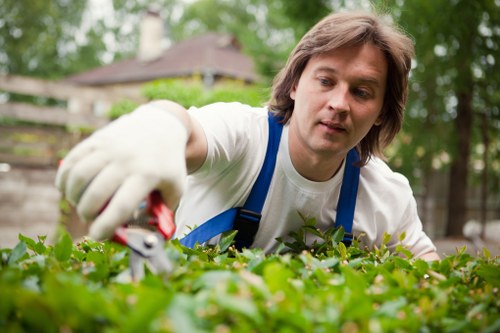
When you choose a local team for tree inspections in Shadwell, you benefit from practical familiarity with the area. Local knowledge matters because urban trees are shaped by local conditions. Soil may be heavily compacted, underground services may restrict rooting, and access may be awkward due to narrow side returns, controlled parking, or shared entrances. A team used to working in East London will recognise these challenges and plan the inspection accordingly.
Shadwell also sits within a wider urban environment where trees may be influenced by nearby roads, rail corridors, canals, and ongoing redevelopment. These are not minor details. They affect how wind moves through a site, how roots can spread, and how maintenance has to be carried out. A local arboricultural service is more likely to account for these realities when making recommendations, rather than giving generic advice that does not fit the property.
Another advantage is communication. If you need an inspection because a neighbour is concerned, a tenant has reported a branch issue, or a managing agent wants a professional opinion, a local team can usually respond in a way that matches the pace and layout of the area. That is especially helpful where access needs to be arranged carefully or where parking and loading restrictions make timing important.
Local conditions that often affect tree inspections
- Narrow streets and tight frontages
- Limited space for equipment or vehicle access
- Shared gardens and communal courtyards
- Older masonry, boundary walls, and hard landscaping
- New-build plots with restricted planting beds
- Pressure from foot traffic, deliveries, and resident parking
Why choose a local company? Because local teams understand the practical side of the job. They know how to work around constrained access, what kinds of issues commonly appear in urban trees, and how to communicate clearly with property owners who need straightforward answers.
How the service works from enquiry to next steps
A simple, customer-friendly process
Most customers want the process to be easy: explain the concern, arrange a visit, receive a clear assessment, and then decide what to do next. That is the right approach. A professional service for Tree inspections in Shadwell should be practical from start to finish, with no unnecessary complexity.
The first step is usually a conversation about the tree, the location, and the reason for the inspection. That helps determine whether a visual inspection is enough or whether the tree may need a more detailed assessment. If there are multiple trees on site, the inspection may also be planned in a way that covers the whole property efficiently.
During the visit, the inspector looks for visible defects, checks the tree’s condition in relation to nearby structures and targets, and notes any signs of stress or instability. After that, you should receive clear feedback on what was found, what it means, and what should happen next. If work is needed, the aim is to explain the options in plain language so you can make an informed decision.
Possible outcomes after an inspection
- No immediate action, with routine monitoring recommended
- Minor pruning or deadwood removal
- Targeted work to reduce contact with nearby structures
- Further investigation of a defect or concern
- Planning for removal where the tree poses unacceptable risk or is in poor condition
This step-by-step approach gives you clarity. It also helps avoid overreacting to every sign of age or wear. Not every imperfect tree is dangerous; sometimes the right answer is careful monitoring rather than major intervention.
What can affect the cost of tree inspections?
People often want to understand pricing before they book, and that is sensible. While exact prices are not fixed here, several common factors influence the cost of an inspection. Being aware of them helps you compare options fairly and understand why one site may need more time than another.
Pricing factors often include:
- Number of trees to be inspected
- Size, age, and complexity of the tree
- Whether the tree is easy to access
- Whether the site is residential, communal, or commercial
- Whether a simple visual assessment or a more detailed report is required
- Whether follow-up visits or additional investigation are needed
A single mature tree in a straightforward front garden is a very different job from a group of trees around a block of flats, a school boundary, or a commercial yard with access limitations. In Shadwell, access can be a significant factor because streets may be busy, parking can be limited, and some sites require careful timing to avoid disrupting residents or customers.
For that reason, it is usually best to request a quote based on the actual site rather than assuming all inspections are the same. A local team can often advise what information they need to provide an accurate estimate, such as photos, a description of the concern, and the number of trees involved.
Request a free quote if you want a clear starting point before committing to a visit. That helps you understand the likely scope and whether the work can be handled as a single inspection or should form part of a wider maintenance plan.
Preparation checklist before your inspection visit
Preparing for a tree inspection is usually straightforward, but a little planning makes the visit smoother and more useful. If you know the tree’s history, such as previous pruning, storm damage, or ongoing movement, it is helpful to mention that in advance. The more context the inspector has, the better the recommendations are likely to be.
For customers in Shadwell, access planning is especially useful. If the tree is in a shared courtyard, behind a gated area, or near restricted parking, make sure entry arrangements are clear. That avoids delays and helps the visit run efficiently. If neighbours, tenants, or building staff need to be informed, it is better to do that early.
Preparation checklist:
- Note any recent changes in the tree’s condition
- Take a few photos if the issue is visible from ground level
- Gather any previous reports or maintenance records
- Check access routes, keys, codes, or parking arrangements
- Highlight any nearby structures, utilities, or high-use areas
- Tell the inspector if there has been storm damage or ground movement
This preparation is helpful whether the property is a family home, a mixed-use building, or a managed commercial site. It saves time and gives the inspection a stronger foundation.
Common issues identified during Shadwell tree inspections
Urban trees often develop predictable issues, especially when space is tight and growing conditions are imperfect. During inspections, several common concerns may be identified. Some are relatively minor, while others require more urgent attention depending on location and use of the surrounding area.
One frequent issue is deadwood within the canopy. Dead branches may fall unexpectedly, particularly during windy weather or after seasonal changes. Another common concern is poor branch structure, where limbs rub, split, or grow with included bark that weakens the union over time. These defects do not always mean a tree must be removed, but they do warrant proper evaluation.
Other issues can involve the trunk and roots. Fungal bodies at the base, cavities, cracked bark, lifted soil, or visible root disturbance can all suggest the tree deserves closer inspection. In some cases, the concern is not the tree itself but how close it sits to a building, public route, or boundary. A tree may be structurally sound but still create a problem because of its position.
Examples of defects or risks that may be noted
- Dead branches in the upper canopy
- Splits or weak junctions between limbs
- Signs of decay, cavities, or fungal activity
- Leaning or movement in the root zone
- Storm damage or broken limbs
- Excessive crowding near structures, paths, or parking spaces
Not every tree with a defect is unsafe. The key is understanding the size of the issue, the tree species, and the likelihood of failure. That is where professional judgment matters.
How tree inspections support better long-term tree care
One of the biggest benefits of tree inspections in Shadwell is that they help create a sensible maintenance plan. Rather than waiting until a problem becomes obvious to everyone, you can use inspection findings to prioritise work and spread maintenance over time. That is often more manageable for homeowners and property managers alike.
For example, if a tree is healthy but growing near a building, periodic inspections may be enough. If another tree shows moderate weakness but is still worth retaining, targeted pruning or monitoring may be recommended. If a tree is poor condition and close to frequent pedestrian use, the inspection may lead to a stronger recommendation. The important point is that decisions are based on evidence, not assumption.
Good tree care is rarely about extremes. It is about balance: keeping valuable trees where possible, reducing avoidable risk, and planning work in a way that suits the site. In a densely populated area like Shadwell, that balance matters even more because trees are part of daily life for residents, visitors, workers, and passers-by.
Benefits of regular inspections
- Early identification of potential hazards
- Better planning for maintenance and budgets
- Reduced risk of emergency callouts
- Clearer records for landlords and managing agents
- Support for safer use of communal and commercial spaces
Book your service now if you want to keep on top of tree condition before small concerns become larger ones.
Areas covered around Shadwell
Tree inspections are often requested not only in Shadwell itself but also in surrounding parts of East London where similar property layouts and access conditions apply. Nearby areas may include streets and sites around Whitechapel, Wapping, Stepney, Limehouse, Aldgate, and the wider Tower Hamlets area. This wider local coverage is useful for customers managing several properties or a portfolio that spans more than one neighbourhood.
Different parts of the area can bring different tree concerns. A residential street may have mature front-garden trees and boundary issues. A commercial site may have limited loading access and a need to keep entrances clear. A communal estate may involve multiple stakeholders and a need for clear written findings. Local service from a team familiar with these settings helps keep communication straightforward.
Where tree work follows an inspection, the same local understanding can also help with coordination. If you later need pruning, deadwood removal, or further assessment, it is useful to work with a team that already understands the site, the access conditions, and the practical constraints around the tree.
Frequently asked questions
How often should trees be inspected?
It depends on the tree’s condition, location, and use of the surrounding area. Trees close to buildings, footpaths, roads, or play spaces usually deserve more regular checks than trees in low-use areas.
Do I need an inspection if the tree looks healthy?
Sometimes yes. A tree can appear healthy from a distance but still have hidden defects or structural issues. If the tree is large, mature, or close to people or buildings, a professional inspection can be worthwhile even when there is no obvious visible problem.
Can you inspect more than one tree at once?
Yes. Many customers arrange inspections for multiple trees on the same property or across a managed site. That is often the most practical way to handle gardens, estates, business premises, and communal land.
Will the inspection tell me if the tree must come down?
Not automatically. The goal is to assess condition and risk, then recommend the most appropriate action. In many cases, a tree can remain in place with routine monitoring or minor work. Removal is only one possible outcome.
What if the tree is near a neighbour’s property?
That is common in Shadwell and surrounding areas. The inspection can consider overhang, root spread, boundary constraints, and the impact on nearby structures. If communication with neighbours is needed, it is usually best to handle that early and clearly.
Do commercial properties need written records?
Often yes, especially where trees are close to public access or where property management requires documented maintenance decisions. A written inspection can support better site records and future planning.
Still unsure what you need?
If you are not certain whether you need a basic inspection, a more detailed assessment, or just advice on the next step, it is sensible to ask. A local arboricultural team can help you decide the right level of service for your situation.
Choosing the right local service for your tree concern
When selecting a provider for Tree inspections in Shadwell, look for someone who speaks plainly, understands local conditions, and focuses on practical outcomes. You do not need unnecessary complexity; you need a clear, responsible view of the tree and what it means for your property. That is especially important where safety, access, and reputation matter.
A good service should be approachable whether you are a homeowner dealing with one large tree or a property manager responsible for several sites. It should also be able to adapt to the realities of the location, including narrow access, time constraints, shared use areas, and nearby public activity. Local experience is valuable because it helps avoid delays and ensures recommendations make sense on the ground.
Most importantly, you should feel confident that the inspection will lead to useful action, even if that action is simply “monitor and review later.” Clear information gives you control. It helps you plan, budget, and manage your trees responsibly rather than leaving them to become a problem by default.
Contact us today to discuss your tree concern, arrange an inspection, or request a free quote for your Shadwell property.
Whether you manage a single tree or a wider site, a prompt inspection can make decision-making much easier.