Recycling and Sustainability for Tree Surgeons Shadwell
 At Tree Surgeons Shadwell, sustainability is built into the way we work from the first site visit to the final clearance. Our aim is to keep as much green waste as possible out of landfill and return usable material back into productive use. We are continually improving our tree surgery recycling processes, with a target to recycle or repurpose 90% of suitable arisings from routine operations. That includes woodchip, logs, branches, leaves, and stump material that can be processed through the right local channels.
Working in a dense urban area means every load needs to be handled carefully. Our approach focuses on sorting materials at source, using recognised transfer stations, and making sure the right waste stream reaches the right facility. For residents and businesses searching for a Shadwell tree surgeon that takes environmental responsibility seriously, our method is designed to reduce vehicle movements, cut waste, and keep reusable resources in circulation.
We also align our work with local borough approaches to waste separation, where green waste, timber, and mixed construction debris are managed in different streams. In practical terms, that means a greener outcome for pruning projects, crown reductions, hedge work, and dismantles. Rather than treating all site waste as one material, tree recycling in Shadwell relies on careful sorting and sending each fraction to the most appropriate local route.
 A key part of this process is our use of local transfer stations. These sites help us move arisings efficiently from the working area to specialist facilities where they can be screened, chipped, mulched, or prepared for onward use. By using nearby transfer points, Tree Surgeons Shadwell reduces unnecessary mileage and helps lower the carbon impact of every job. It is a simple but effective way to make tree waste recycling more practical in an inner-city setting.
Different materials are handled in different ways. Clean branches and timber can often be chipped into mulch or processed into biomass feedstock, while larger logs may be salvaged for reuse where suitable. Leafy waste is often separated because it can be composted more efficiently when kept free from contamination. Even sawdust and fine brash can be managed responsibly, supporting local composting and recycling systems that depend on good source separation.
Our recycling activity also reflects the way boroughs in East and inner London encourage residents and contractors to separate waste more carefully. The same principle applies on our sites: keeping green waste away from general rubbish improves recovery rates and supports better local processing. By using a Shadwell arborist service with a clear sustainability policy, customers help support a circular approach that values trees even after work is complete.
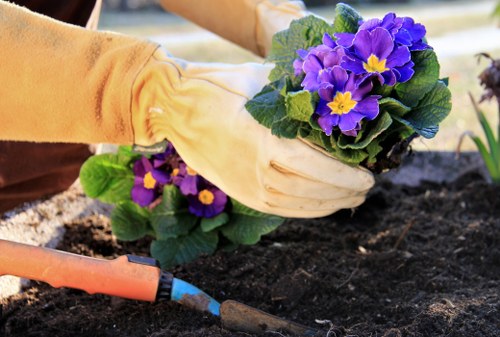 Partnerships with charities are another important part of our sustainability work. Where safe and suitable, reusable timber, logs, and wood offcuts may be made available to community groups, schools, or charitable projects for craft use, habitat building, or small-scale volunteer initiatives. Some material can also support local biodiversity projects, such as bug hotels, raised beds, deadwood features, and wildlife-friendly landscaping. These partnerships help extend the life of materials that might otherwise be discarded.
We also look for opportunities to support charities that focus on urban greening, conservation, and community regeneration. In a place like Shadwell, even small-scale reuse makes a difference, whether that means supplying woodchip for paths, timber for fundraising projects, or untreated branches for ecological features. This is an important part of our recycling and sustainability promise: not only reducing waste, but actively contributing to local benefit where possible.
Our vehicles matter too. We have invested in low-carbon vans as part of our effort to reduce emissions across the business. These vans are chosen for efficiency, lower fuel use, and improved route performance in busy streets. Combined with smart scheduling and local tip runs, they help us reduce the footprint of each visit. For customers comparing Tree Surgeons Shadwell options, low-emission transport is a practical sign that environmental goals are being taken seriously.
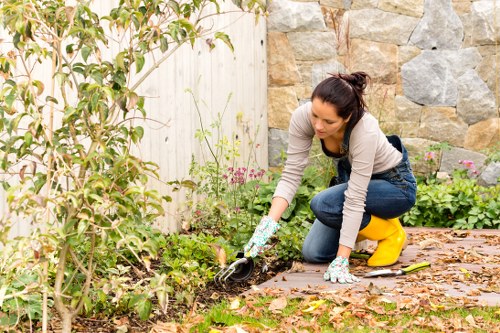 Where possible, we also plan jobs to minimise repeat journeys. That might mean completing pruning, loading, and disposal in one visit, or grouping work in nearby streets so materials can be taken to a transfer station in a single efficient route. In urban tree care, a thoughtful approach to logistics can have a big impact. Every reduced mile helps lower emissions, and every separated load improves the chance of recovery through recycling or reuse.
Another useful practice is careful on-site segregation. For example, logs can be stacked separately from chip material, metal fixings can be removed, and non-organic debris can be isolated so it does not contaminate the green waste stream. This matters because mixed waste is harder to process and often has a lower recovery rate. By keeping the waste stream clean, tree surgery recycling in Shadwell becomes more efficient and more environmentally responsible.
We believe that sustainability should be visible in everyday work, not treated as an afterthought. That is why our team looks closely at fuel use, recycling routes, material recovery, and charity partnerships on an ongoing basis. Whether the task is a small pruning job or a large clearance, the same standards apply: reduce waste, recover value, and support a more circular local economy.
 As part of our wider environmental commitment, we continue to review our recycling percentage target each year and look for new ways to improve performance. Increasing the share of reusable material, using better sorting systems, and building stronger links with local transfer stations all contribute to that aim. In a borough where waste separation and responsible disposal matter, our work helps make tree care cleaner, greener, and more efficient.
For Tree Surgeons Shadwell, sustainability is not just about meeting expectations; it is about setting a better standard for urban arboriculture. Through low-carbon vans, charity partnerships, local recycling routes, and a strong focus on material recovery, we are committed to making each project more environmentally sound. That means healthier outcomes for customers, better use of resources, and a smaller footprint across every stage of the job.